
About Course
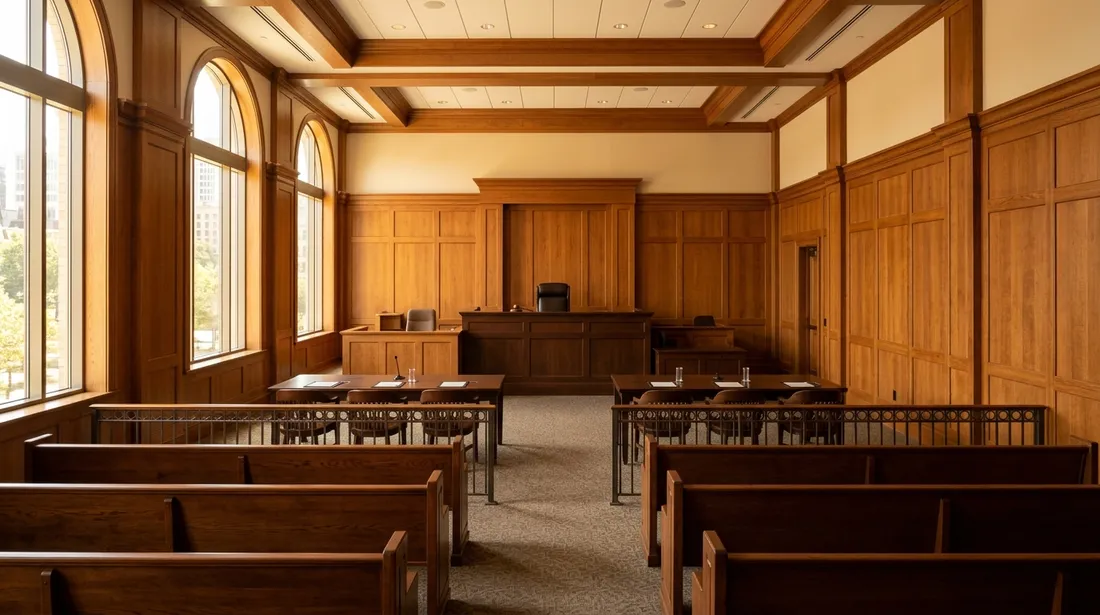
What to expect in a courtroom: who does what, how a hearing runs, how to address the court, the court record, interpreters, remote appearances and what to bring. This Lawtopolis course on courtroom procedure has 5 short lessons and a quiz, and every lesson links to the official rule text.
What you will learn about courtroom procedure
- The roles of the judge, clerk, court reporter and bailiff
- How a motion hearing and a status conference usually run
- Courtroom conduct, and why you never contact the judge privately
- How to prepare for a hearing, in person or remote
Who this course is for
- Anyone attending a hearing for the first time
- Self-represented litigants, witnesses and family members
Lessons in this course
1. Who is in the courtroom
2. How a hearing runs
Hearings are usually short, and argument is limited to the papers already filed. New evidence is not normally allowed at a motion hearing unless the court permits it. Status and case-management conferences are less formal: the judge asks about progress and sets dates.
3. Courtroom conduct
Never write, call or speak to the judge about your case without the other side present or copied. Judicial ethics rules, such as Canon 3(A)(4) of the Code of Conduct for United States Judges, bar judges from most ex parte communications. Communicate through filings, and send copies to every party.
4. Interpreters, accessibility and remote hearings
In federal court, the Court Interpreters Act, 28 U.S.C. § 1827, provides certified interpreters in criminal cases and in civil cases started by the United States. In other civil cases, ask the clerk well before the hearing what the court provides. Many state courts provide interpreters in civil cases, often at no cost; ask early, because interpreters must be scheduled.
5. Preparing for a hearing
Templates: Hearing Preparation Checklist. State courts follow their own rules of procedure. Many states model them on the federal rules, but deadlines, names and steps can differ, so always check your court’s rules and local rules.
Next steps after this courtroom procedure course
When you finish, take the quiz to check your understanding. After that, keep going with the related pages in the Motions & Procedures library, the Legal Glossary and the Research Center. For the official text, read the current federal rules on uscourts.gov, and also check your own court’s local rules.
Lawtopolis provides legal information and education, not legal advice. Rules change, so check the current version of your court’s rules before you file.
All sales are final. Refunds are not available on courses or All-Access. See our refund policy.
Course Content
Lessons
-
Who is in the courtroom
-
How a hearing runs
-
Courtroom conduct
-
Interpreters, accessibility and remote hearings
-
Preparing for a hearing
-
Quiz: Courtroom Procedure: What Happens at a Hearing